Scentonym Analysis
Our objective metric for performance per dollar.
Final Thoughts
Wearing Turathi Blue evokes a sense of imitation rather than emulation. While it captures a *suggestion* of the original's citrus-amberwood structure, it lacks the nuanced development and quality of ingredients. The initial citrus blast is simply too harsh and synthetic, the leather too plasticky, and the overall composition feels unrefined. One gains a fleeting resemblance to the intended fragrance, but sacrifices the sophistication and smoothness that defines the original.
How it Smells
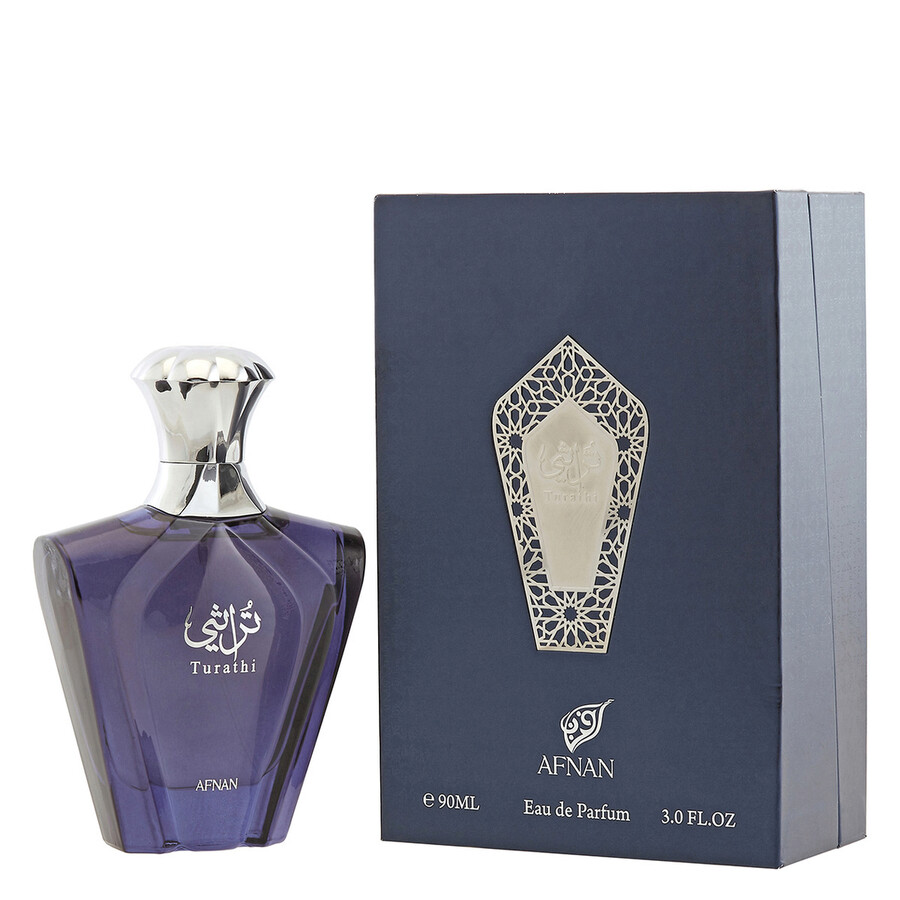
Turathi Blue opens with a sharply rendered grapefruit, aggressively tart and slightly metallic, veering away from natural citrus into a cleaning-solution territory. The mandarin is a faint whisper, quickly overtaken by the grapefruit's astringent presence. The heart introduces a green bitterness from the galbanum, attempting to add depth, but it clashes with the aggressive top notes. The ambrette is barely perceptible, adding minimal muskiness. As it dries down, the amberwood dominates, presenting a harsh, scratchy woodiness. The leather accord is a synthetic interpretation, reminiscent of pleather car seats on a hot day, lacking any genuine suppleness. It diverges significantly from its inspiration; where the original possesses a smoother, more refined ambergris accord, Turathi Blue feels disjointed and brash.
The Performance Stats
Longevity sits at approximately 6-7 hours on skin. Projection is moderate for the first hour, extending about an arm's length, before quickly diminishing to a skin scent. Tested in both indoor and outdoor environments, its performance remains consistent: a fleeting initial burst followed by a rapid decline.
Performance Audit
Based on average wear time
Sillage & radius
Relative to market avg
Why we track this:
Price Arbitrage: Significant savings compared to the original Bvlgari pricing.
Community Verified: Cross-referenced against 212 enthusiast votes for accuracy.